
More Than a Survey: What It Really Means to Involve Young People in Policy
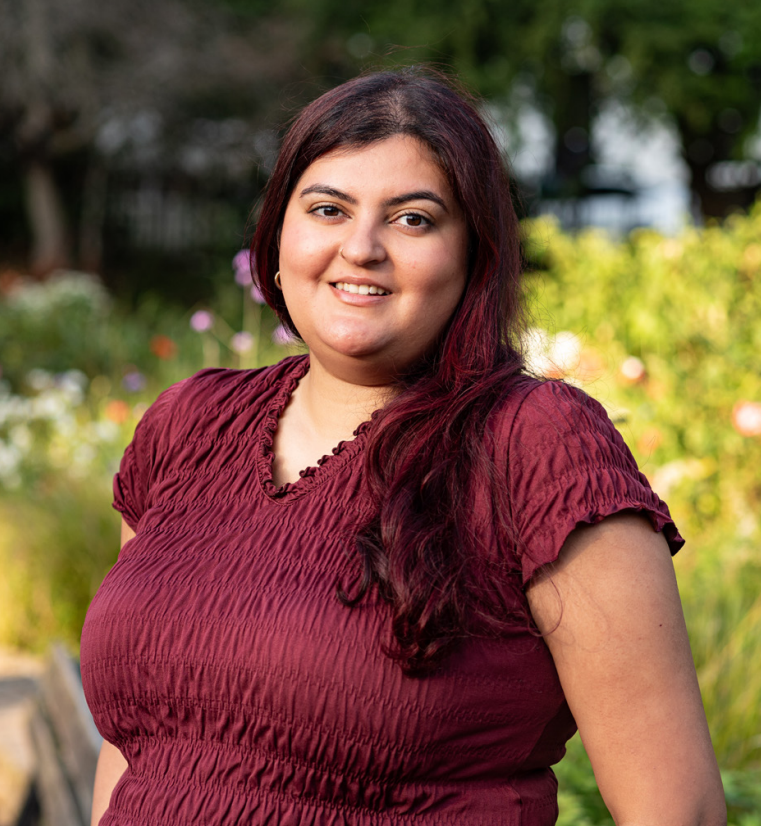
The Rethinking Green Transitions project with LSE Cities and Islington Council has been one of
the most meaningful projects I have been part of, as we used this programme as a starting point for conversations with young people about climate change, green transitions and their hopes for the borough. As someone who came into this work through the lens of social justice and human rights, the chance to be one of the young peer researchers felt like a rare opportunity to do something concrete: bring young people to the heart of public policy debates around the green transition in Islington and foster genuine dialogue between residents and policymakers about what neighbourhood climate action could actually look like.

Before this project, many of us peer researchers had never heard the phrases "liveable neighbourhoods" or "green transitions." But we were brought together by a shared desire to see positive change in our borough, starting with the most deprived areas. Our different lived experiences became one of the project's greatest assets. From agreeing on our research focus to co-designing the survey, to conducting interviews and focus groups at places like Global Generation's Story Garden and the Arsenal Hub, to presenting our findings to policymakers at a workshop at Islington Council, we were involved at every stage from beginning to end.
What peer research actually looks like
Too often, youth engagement in policy looks like a one-off survey, a token seat at a table or a consultation that disappears into a drawer. This project was structured to be different as we were equal partners in this with LSE Cities and Islington Council. We received proper training in survey design, qualitative analysis and public speaking, supported by Partnership for Young London. We had the final say on key research design decisions and were paid the London Living Wage for our time. We were brought into conversations with councillors, transport officers and community leaders not as observers but as equal partners.

Beyond the research itself, the project opened doors I did not expect. I was able to attend the Green European Academy in Brussels 2024 and speak at the LSE Festival 2025 alongside the Deputy Mayor of London for Environment and Energy to share findings from our research with policymakers, academics and students specifically on climate justice and community engagement. I share this not to name drop but because it speaks to something important: good youth engagement does not stop at gathering young people's views. It actively invests in developing them by creating pathways, not just participation.
What young people actually said
What came through most strongly in our research is that young people are not disengaged. They are disconnected from processes that consistently fail to speak their language or address their most pressing concerns. When conducting interviews and focus groups and asking young people whether they had heard the terms "liveable neighbourhood" or "green transitions," it was clear they hadn't, and 72.4% of survey respondents confirmed the same. But when we broke the terms down, asking about green space, about cycling safely, about feeling welcome in a park after dark, the conversation opened up completely. Young people had opinions. They had frustrations. They had very specific ideas. They just hadn't been asked in a way that made the question feel relevant to them.
The survey also highlighted that 70% of respondents want more involvement in local decisions but 38% said they do not know how to get involved. That gap is not a youth problem. It is an engagement design and communication problem.
The topic of climate justice came up in nearly every conversation we had. Young people connected the green transition directly to questions of housing, safety, cost of living and racial equity. 90% of respondents agreed that making neighbourhoods more environmentally friendly must go hand in hand with addressing economic and social inequality. As the research made clear, young people can largely get behind the Liveable Neighbourhoods programme, but only as long as it works in favour of the many and not the few. The green transition won't work unless it works for all, and that is non-negotiable.
Why this sits inside youth voice
This project highlights the importance of peer research as it shifts the focus from young people being included in a project to young people being equal partners as it hands them real responsibility and trusts them to use it. When young people are given that opportunity alongside investing in them, they rise to it. The Rethinking Green Transitions project is expanding to create a pan-London exchange with young people and policy decision-makers discussing what works or doesn’t work and what needs to happen next.

The next research phase focuses on the young peer researchers designing and delivering a participatory research event with young people and policy makers in Autumn 2026 and working to publish a set of insights, recommendations and stories from young people to help London
policymakers with exciting approaches to youth-led green transition.
If this project has shown anything, it's that meaningful youth engagement shouldn’t be the exception. It should and could be the standard.

